

Pinealon 10mg | Research Information & Product Specifications (UK)
Pinealon 10mg is a synthetic peptide that has been discussed in scientific literature for laboratory and preclinical research. It is intended for research environments where applicable regulations permit its use. This page provides general information about the compound, product specifications, storage recommendations, and quality control practices rather than medical or therapeutic guidance.
Researchers interested in peptides often review available literature to understand chemical properties, handling requirements, stability, and analytical testing methods. As with any research compound, appropriate laboratory procedures, documentation, and storage conditions are essential for maintaining product integrity.
Product Specifications
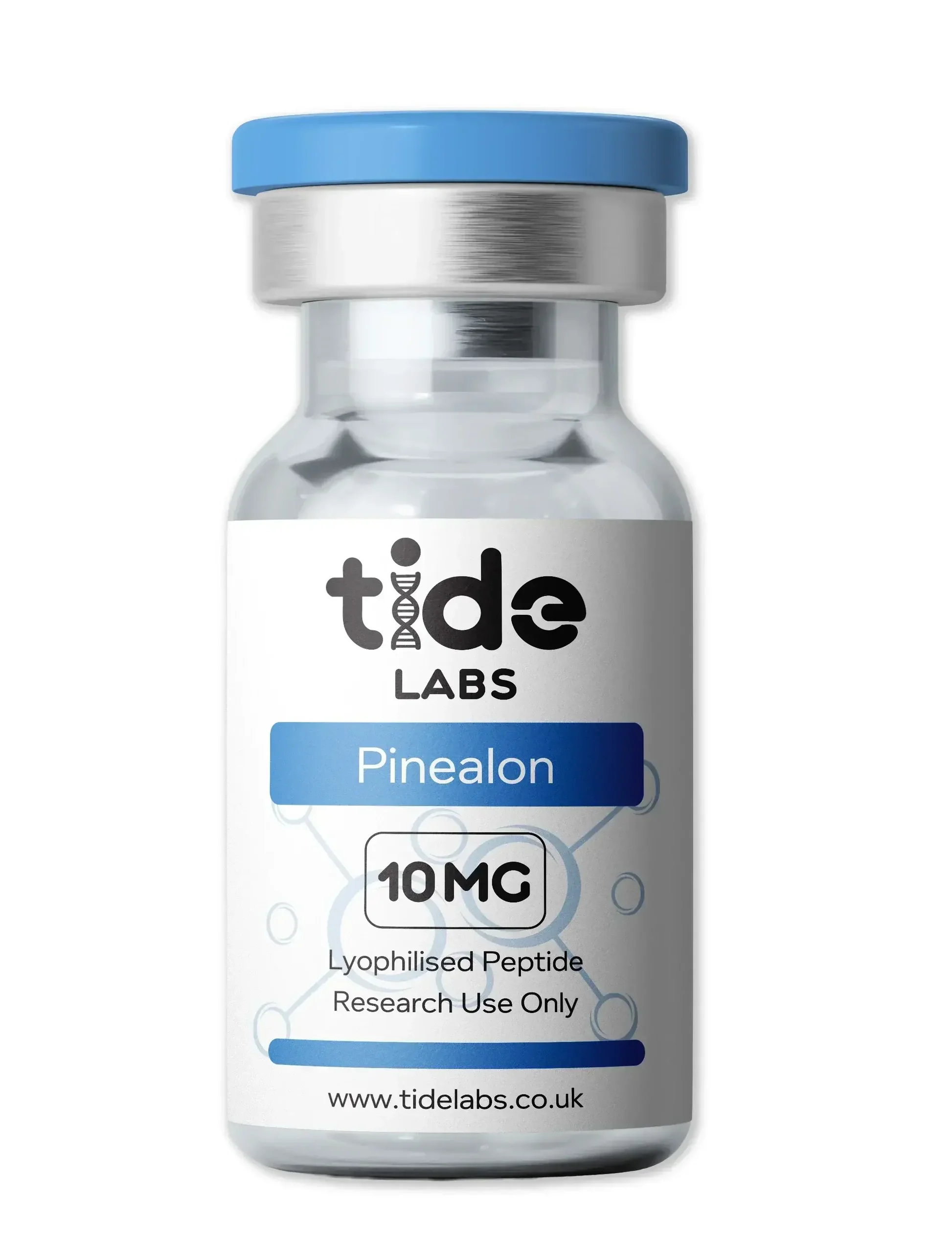
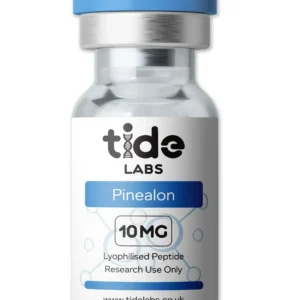
- Product name: Pinealon
- Strength: 10 mg per vial
- Form: Lyophilised powder
- Intended use: Laboratory research only
- Grade: Research grade
- Packaging: Sterile sealed vial
Benefits (Research Context)
Researchers may value this compound because of the following characteristics:
- Suitable format for laboratory investigations.
- Lyophilised presentation for improved storage stability before reconstitution.
- Clearly labelled packaging for research inventory management.
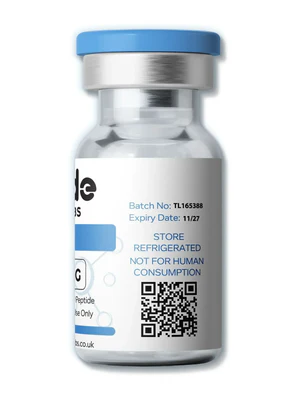
- Batch identification to support laboratory documentation.
- Manufactured following applicable quality standards where available.
Important: This information is intended for research purposes only and should not be interpreted as evidence of safety or effectiveness for human or veterinary use.
Purity
High-quality research peptides are typically accompanied by analytical documentation verifying identity and purity. Purity is commonly assessed using techniques such as:
- High-Performance Liquid Chromatography (HPLC)
- Mass Spectrometry (MS)
Where available, a Certificate of Analysis (COA) can provide information regarding batch identification, analytical methods, and measured purity.
Usage Information
This product is intended exclusively for qualified laboratory professionals conducting legitimate scientific research.
Researchers should:
- Follow institutional laboratory protocols.
- Wear appropriate personal protective equipment (PPE).
- Maintain accurate research records.
- Handle all materials according to applicable regulations.
- Dispose of laboratory waste in accordance with local requirements.
This product is not intended for human consumption, clinical use, diagnosis, treatment, or prevention of disease.
Storage
Proper storage helps maintain research material quality.
General recommendations include:
- Store refrigerated at 2–8°C before use where appropriate.
- Keep protected from excessive heat, moisture, and direct sunlight.
- Avoid repeated temperature fluctuations.
- Store securely in clearly labelled laboratory conditions.
- Follow supplier recommendations regarding storage after reconstitution if applicable.
Always refer to the accompanying documentation for product-specific guidance.
Laboratory Testing
Quality control is an important aspect of research materials.
Typical testing may include:
- Identity verification
- Purity analysis
- Appearance inspection
- Batch traceability
- Sterility testing where applicable
- Documentation through a Certificate of Analysis
Researchers should review available quality documentation before incorporating any material into laboratory work.
Shipping
Research products should be packaged to help maintain integrity during transport.
Typical shipping practices may include:
- Secure protective packaging
- Clearly labelled product information
- Batch identification
- Tracking information where available
- Packaging appropriate for laboratory materials
Delivery times depend on destination, courier services, and local regulations.
Frequently Asked Questions
What is Pinealon 10mg?
It is a synthetic peptide supplied for laboratory and scientific research purposes.
Is this product intended for human use?
No. It is intended for research use only and should not be used for human or veterinary consumption.
How should it be stored?
Store according to the manufacturer’s instructions, generally in cool, dry conditions or refrigerated where specified.
Is quality testing performed?
Research-grade materials are commonly analysed using methods such as HPLC and mass spectrometry, with supporting documentation where available.
Does the product include batch information?
Many suppliers provide batch numbers to support laboratory traceability and quality management.
Can researchers request analytical documentation?
Availability depends on the supplier, but Certificates of Analysis are commonly provided for research materials.
Reviews
There are no reviews yet.